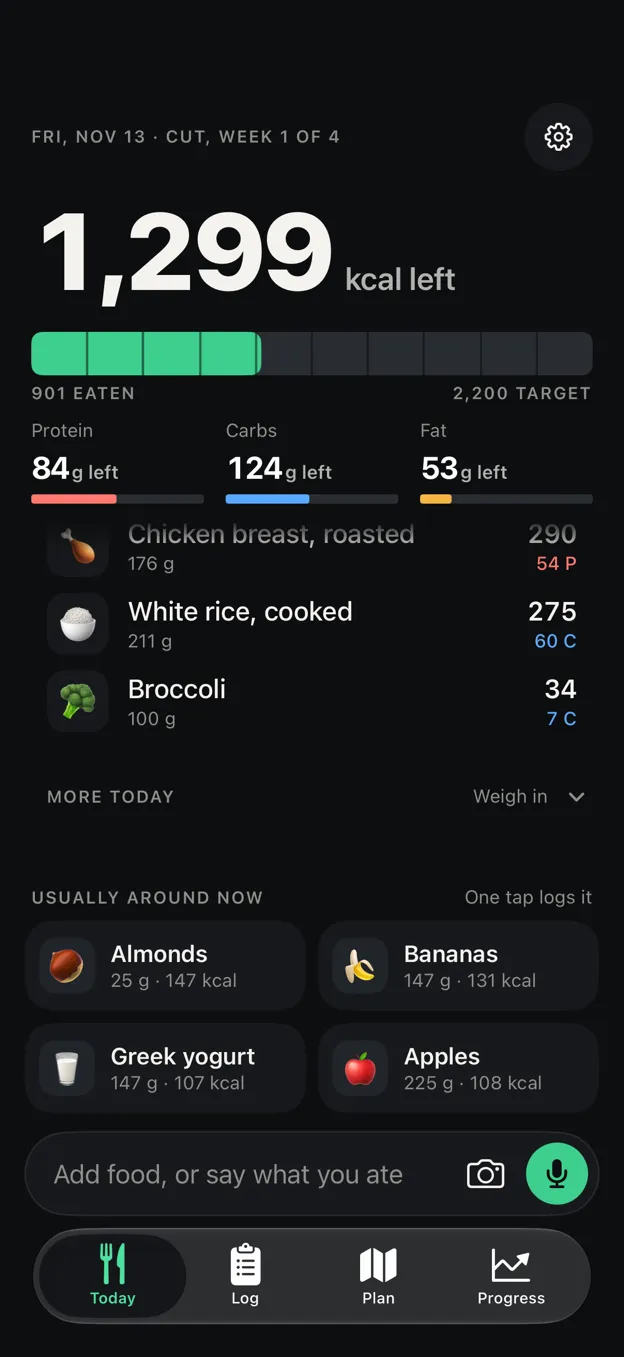
A program that writes itself around you.
Stadig Lift writes your program, adjusts every set to how the last one felt, and tells you when to push, hold or deload.
Free. No account, no ads.
iPhone · iPad · Mac · Apple Vision Pro · Apple Watch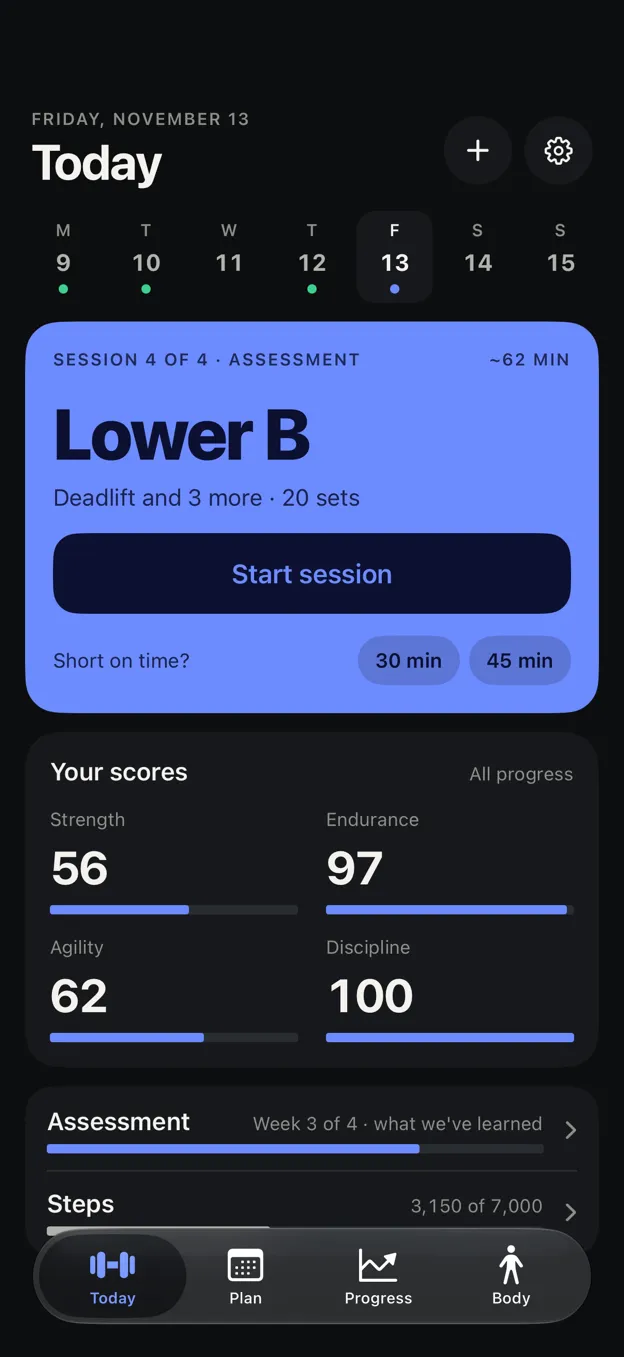
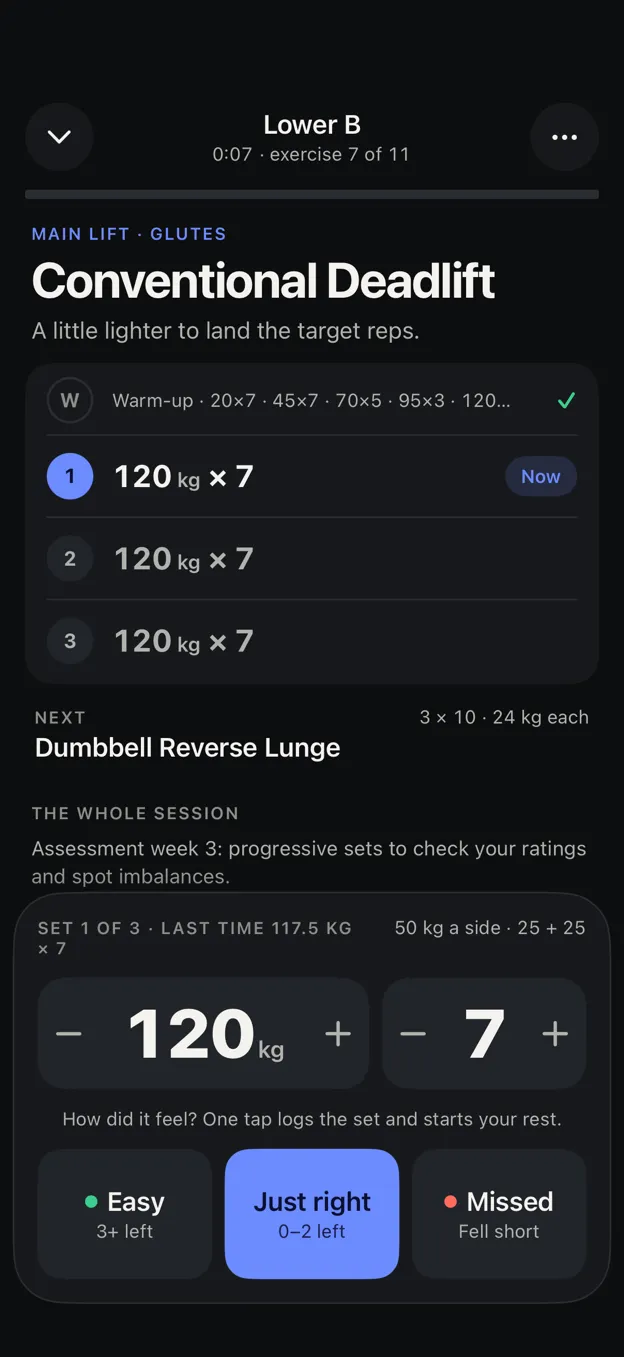
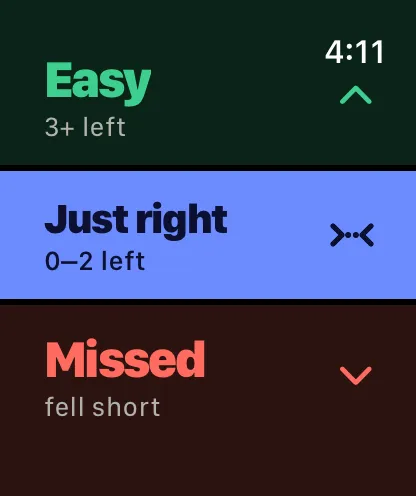
- 3 or more reps left Easy
Bumps the weight or the reps.
- 0 to 2 left Just right
Holds.
- Fell short Missed
Drops a little, because missed reps are data, not failure.
You lift. It does the arithmetic.
Warm-ups, the plates a side, rest and the next weight are worked out before you ask. Change a set with − and +, no keyboard needed.
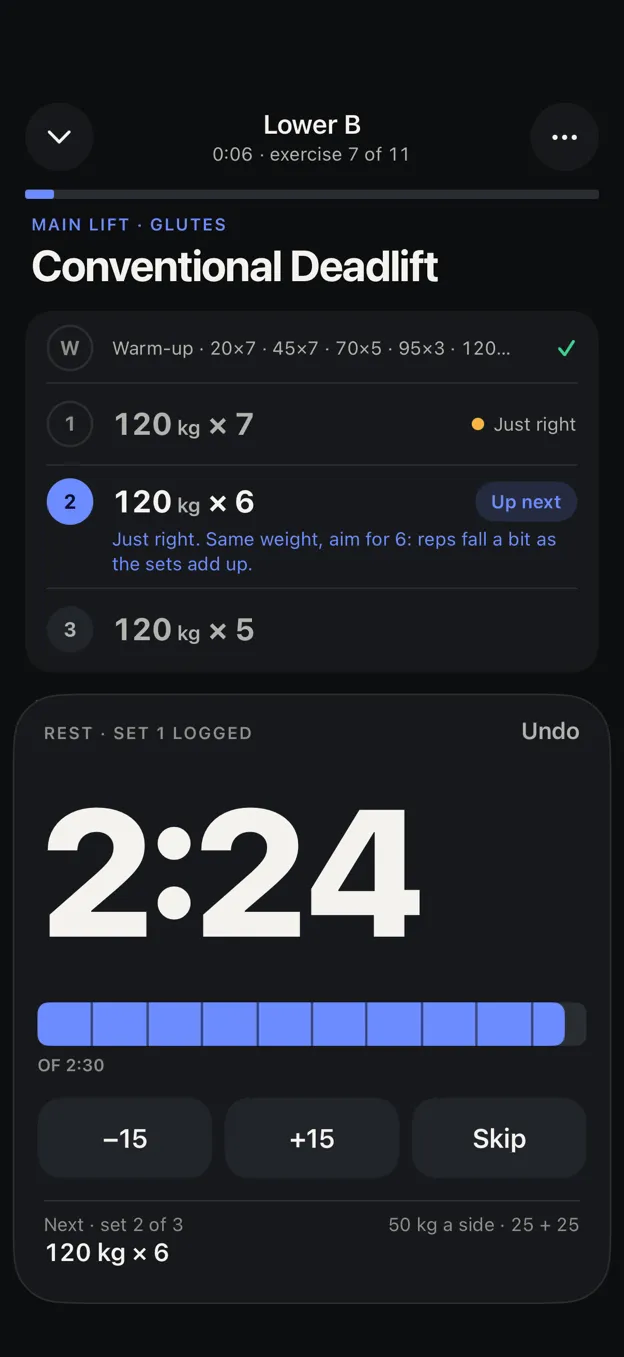
Rest that listens
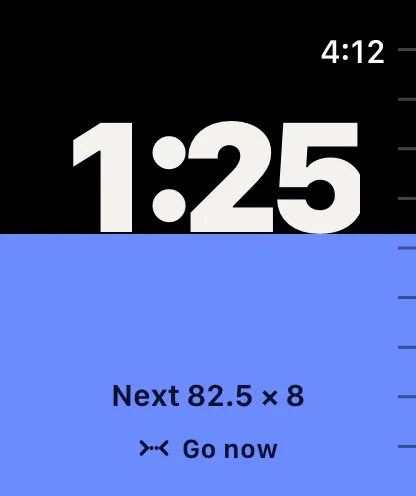
The countdown takes the set's place, with −15, +15 and Skip. With the Watch on, a rest guided by heart rate ends early once you've recovered.
A last set that tells the truth
As many as you can. A rep-out after a rated set shows how honest the rating was.
On the wrist
The Watch app logs and rates sets, times rest by heart rate and runs conditioning by zone. A Live Activity holds the rest on the phone.
From first open to steady progress.
Set up once
Days, time, equipment, experience, and goals as outcomes. If Stadig Macro already asked, Stadig Lift doesn't.
A short assessment block
Safe-to-fail anchors find your real numbers and calibrate your ratings. Weekly notes say what was learned. Experienced lifters finish early.
One plan, with a why
After the assessment you get one block, not a menu. Stadig Macro's phase sets its direction if you use both.
Train, rate, repeat
Sets autoregulate, stalls get read in context, and check-ins keep the scores honest.
Every session prescribed. Every set adjusted to how it went.
It learns whether to believe you
Everyone misjudges reps in reserve. Stadig Lift starts with a guess from your experience and rebuilds its trust in your ratings from evidence: a rep-out after a rated set reveals the truth, and a heavier later set proves more was left.
A fatigue budget, never a score
Every set has a systemic and a local cost. Martial arts classes, runs and anything from Health spend the same budget. Sleep, HRV, resting heart rate, soreness and life stress feed it. When signals stack, the deload comes early.
Blocks that bend around life
Five weeks plus a deload by default, shorter in a cut, longer in a bulk. A vacation near the deload becomes it. Crunch, injury and illness modes change the plan instead of breaking it.
Scores that only move on tests
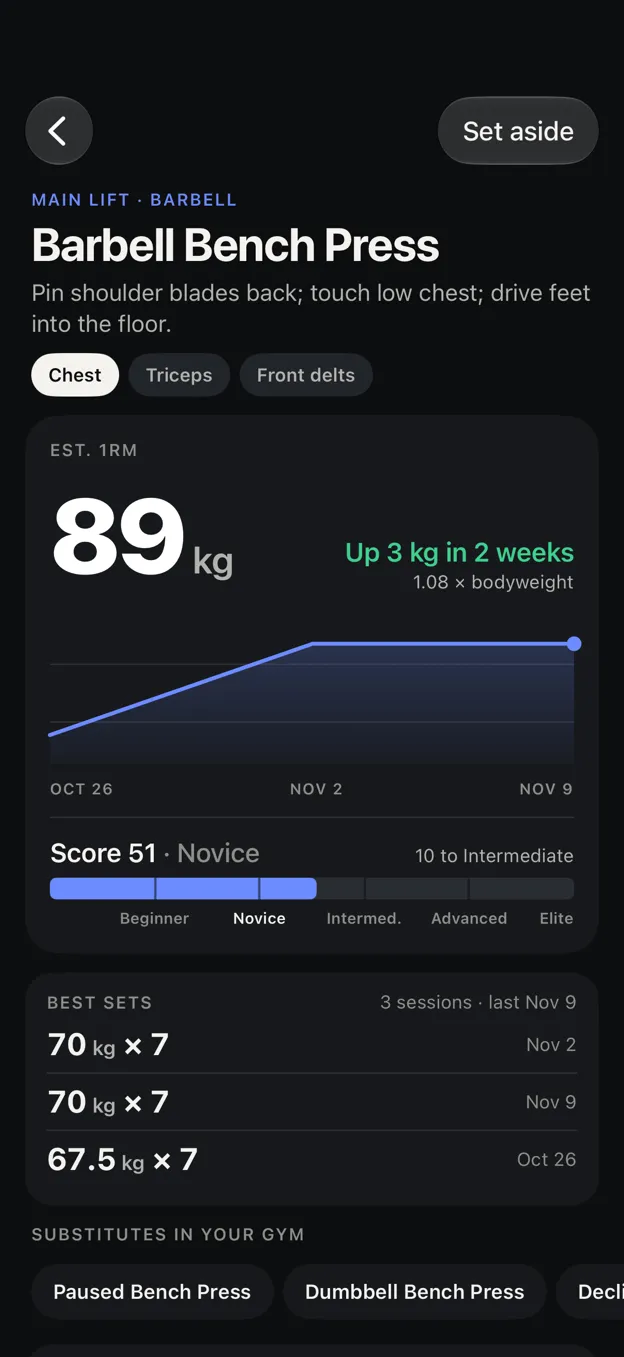
Strength is scored against bodyweight standards, free weights only, and imbalances become priorities. Endurance from VO₂ max, resting heart rate and benchmarks. Agility from five mobility tests. Physique from the tape.
Your equipment, your joints
It picks the exercises your equipment and joints allow, says how hard each one is on a shoulder or an elbow, and lists the substitutes in your gym.
Offline, and yours
The exercise library ships inside the app, so it works in a basement gym. No account, no analytics. Export to CSV and back up whenever you like.
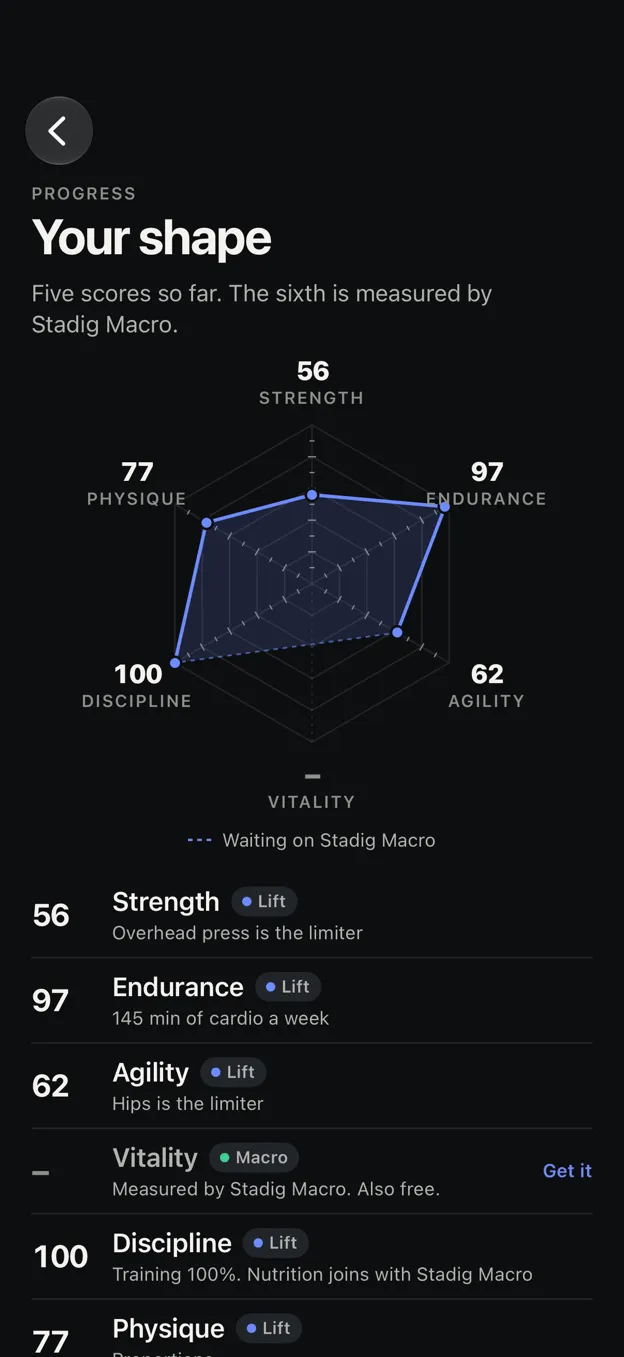
Am I progressing?One number answers.
Overhead press is the limiter, so the next block makes it a priority. The number moves only on what you lift, never on time in the app.
Stadig Lift measures Strength, Physique, Endurance and Agility, and the training half of Discipline. Add Stadig Macro and both apps show all six scores.
Free.All of it.
Stadig Lift is free, all of it: every training block, every deload, every life mode.
- Logging
- The exercise library
- The assessment
- Every training block
- Deloads
- Life modes
- CSV export
- Backups
No account. It stays on your devices and in your own iCloud.
iPhone, iPad, Mac and Apple Vision Pro, with an Apple Watch app. iCloud keeps them in step.
Stadig Macro sets the phase. Stadig Lift builds around it.
Stadig Macro learns your real maintenance, picks the phase and adjusts your targets weekly. A cut shortens the block and reads stalls as expected. A bulk lengthens it.